Precision Dental Care Blog

Why Digital X-Rays Are Safer and Faster for Our Patients

June 16, 2026

Filed under: Blogs — precisiondental @ 5:51 am

Modern dentistry has advanced significantly over the past few decades, and one of the most important innovations is the introduction of digital X-rays. This technology has transformed the way dentists diagnose, monitor, and treat oral health conditions. Compared to traditional film-based X-rays, digital X-rays provide clearer images, faster results, and improved safety for patients of all ages.

At Precision Dental Care, advanced diagnostic technology is an essential part of delivering quality dental care. Digital X-rays help identify potential problems before they become serious, allowing patients to receive timely treatment and maintain healthier smiles.

What Are Digital Dental X-Rays?

Digital X-rays are advanced imaging tools that capture detailed pictures of the teeth, gums, jawbone, and surrounding oral structures using electronic sensors instead of traditional photographic film. Once the image is captured, it appears almost instantly on a computer screen, allowing dentists to evaluate oral health conditions in real time.

These images provide valuable information that cannot be seen during a visual examination alone. Even when teeth appear healthy on the surface, issues such as hidden decay, infections, bone loss, and impacted teeth may be developing beneath the gums. Digital X-rays make it possible to detect these problems early, helping prevent more extensive treatment in the future.

Why Diagnostic Imaging Is Important

Dental problems do not always show obvious symptoms in their early stages. Cavities may begin between teeth, infections can develop near tooth roots, and bone loss may occur gradually without causing pain. By the time symptoms become noticeable, treatment may be more complicated and costly.

Diagnostic imaging provides a clear view of structures beneath the surface, allowing dentists to identify concerns before they become severe. This proactive approach helps protect oral health and supports more effective treatment planning.

Modern digital imaging technology has made this process faster, safer, and more accurate than ever before.

Reduced Radiation Exposure Improves Patient Safety

One of the biggest advantages of digital X-rays is the significant reduction in radiation exposure. Many patients worry about radiation when dental X-rays are recommended, but digital technology has dramatically improved safety standards.

Traditional film X-rays require more radiation because the film is less sensitive to light and energy. Digital sensors, on the other hand, are highly efficient and require much less radiation to produce detailed images.

Studies have shown that digital X-rays can reduce radiation exposure by up to 80 to 90 percent compared to conventional film-based systems. This reduction is especially beneficial for children, seniors, and patients who require ongoing monitoring of their oral health.

Because less radiation is needed, patients can feel more confident knowing that modern dental imaging prioritizes both diagnostic accuracy and safety.

Faster Results Mean Less Waiting

Before digital technology became common, dental offices relied on film processing to develop X-ray images. This process required additional time and occasionally resulted in image quality issues that required retakes.

Digital X-rays eliminate these delays. Images appear on a computer screen within seconds, allowing dentists to review them immediately. This means patients spend less time waiting and receive information about their oral health during the same appointment.

Faster results also allow dentists to make treatment recommendations more efficiently. If a problem is discovered, discussions about treatment options can begin right away without the need for additional visits simply to review imaging results.

For busy patients, this improved efficiency creates a more convenient and streamlined dental experience.

Superior Image Quality Enhances Diagnosis

Digital X-rays provide exceptional image clarity, making it easier to identify oral health issues in their earliest stages. The high-resolution images allow dentists to see fine details that may not be visible with traditional film.

One major advantage of digital imaging is the ability to enlarge images and adjust brightness or contrast. These enhancements make it easier to examine specific areas closely and identify subtle signs of disease or damage.

Improved image quality contributes directly to more accurate diagnoses. Whether evaluating tooth decay, fractures, infections, or bone loss, detailed digital images help dentists make informed treatment decisions.

The ability to identify problems early often leads to simpler, less invasive treatments and better long-term outcomes for patients.

Early Detection of Cavities

Tooth decay often begins in areas that are difficult to see during a routine examination. Cavities may form between teeth, beneath existing fillings, or in hidden grooves on chewing surfaces.

Digital X-rays help reveal these hidden areas, allowing dentists to detect decay before it becomes extensive. Early treatment typically requires less invasive procedures and helps preserve more of the natural tooth structure.

When cavities are identified in their earliest stages, patients often avoid more complex restorative treatments later. This supports better oral health and can reduce long-term dental expenses.

Identifying Gum Disease Before It Progresses

Gum disease is one of the leading causes of tooth loss among adults. Unfortunately, it often develops gradually and may not produce noticeable symptoms until significant damage has occurred.

Digital X-rays play an important role in identifying the early signs of periodontal disease. By evaluating bone levels around the teeth, dentists can detect changes that indicate developing gum problems.

This diagnostic capability is particularly valuable because bone loss cannot be assessed accurately through visual examination alone. Early detection allows patients to receive treatment before irreversible damage occurs.

Digital imaging is therefore an essential component of preventive dentistry, helping patients maintain healthy gums and strong supporting bone structures.

Improved Monitoring of Oral Health

Dental care is not only about diagnosing problems; it is also about monitoring changes over time. Digital X-rays allow dentists to compare current images with previous records, making it easier to identify trends and detect subtle changes.

This ongoing monitoring is especially useful for patients with a history of cavities, gum disease, root canal treatment, or other oral health concerns. Comparing images over time provides valuable insight into treatment effectiveness and overall oral health progression.

The ability to store and access digital images instantly also improves record management and ensures that important diagnostic information is readily available whenever needed.

Better Treatment Planning

Accurate diagnosis is the foundation of successful dental treatment. Digital X-rays provide detailed information that helps dentists create customized treatment plans based on each patient’s unique needs.

Whether planning restorative procedures, orthodontic treatment, dental implants, or extractions, high-quality imaging improves precision and predictability. Dentists can evaluate tooth roots, bone density, and surrounding structures to determine the most appropriate treatment approach.

Patients also benefit because digital images can be displayed on a screen and explained in real time. Seeing the images helps patients better understand their oral health conditions and the reasons behind treatment recommendations.

This improved communication supports informed decision-making and builds trust between patients and dental professionals.

Greater Comfort During Imaging

Many patients find digital X-rays more comfortable than traditional methods. Modern digital sensors are designed to capture images quickly, reducing the amount of time they need to remain in the mouth.

Because images are obtained almost instantly, patients spend less time holding imaging devices in place. This can be particularly beneficial for individuals with sensitive gag reflexes, children, and patients who feel anxious during dental procedures.

A more comfortable experience encourages patients to keep up with recommended imaging schedules, supporting ongoing preventive care.

Environmentally Friendly Technology

Digital X-rays offer environmental benefits in addition to their clinical advantages. Traditional film-based systems require chemical processing solutions that must be stored, handled, and disposed of properly.

Digital imaging eliminates the need for these chemicals entirely. Since images are stored electronically, there is also less reliance on paper records and physical storage space.

By reducing waste and eliminating chemical processing, digital X-ray systems support more environmentally responsible dental practices while maintaining high standards of patient care.

Supporting Comprehensive Preventive Care

The primary goal of preventive dental care is to identify and address problems before they become serious. Digital X-rays are one of the most effective tools available for achieving this objective.

By revealing hidden cavities, bone loss, infections, and developmental concerns, digital imaging allows dentists to intervene early and provide appropriate treatment. This proactive approach often helps patients avoid more invasive procedures and maintain healthier smiles over the long term.

Regular examinations combined with digital imaging create a comprehensive preventive strategy that supports lifelong oral health.

Why Patients Appreciate Digital X-Rays

Patients consistently appreciate the benefits that digital X-rays provide. Faster imaging, reduced radiation exposure, improved comfort, and immediate results contribute to a more positive dental experience.

The ability to view images alongside their dentist also helps patients feel more informed and involved in their care. Understanding what is happening inside the mouth makes treatment recommendations easier to understand and accept.

As technology continues to advance, digital X-rays remain one of the most valuable tools for improving both patient care and clinical outcomes.

The Future of Dental Imaging

Digital radiography continues to evolve, offering even greater levels of precision and diagnostic capability. Modern imaging systems are becoming increasingly sophisticated, helping dentists identify issues earlier and develop more personalized treatment plans.

Future advancements are expected to improve image quality further while continuing to reduce radiation exposure and enhance patient comfort. These innovations reflect dentistry’s ongoing commitment to providing safer, faster, and more effective care.

Conclusion

Digital X-rays have revolutionized dental diagnostics by making imaging safer, faster, and more accurate than traditional methods. Their ability to reduce radiation exposure, produce instant results, and provide highly detailed images makes them an invaluable part of modern dental care.

At Precision Dental Care, digital imaging supports a proactive approach to oral health by helping dentists detect problems early and develop effective treatment plans. From identifying cavities and monitoring gum disease to supporting preventive care and improving patient education, digital X-rays play a crucial role in maintaining healthy smiles.

If you would like to learn more about modern dental technology or schedule a dental appointment, consulting with an experienced dental team can help you understand how digital X-rays contribute to safer and more effective oral healthcare.

FAQs

1. Are digital X-rays safer than traditional X-rays?

Yes. Digital X-rays use significantly less radiation than traditional film-based X-rays while providing highly detailed images.

2. How quickly are digital X-ray results available?

Digital X-rays produce images almost instantly, allowing dentists to review and discuss the results during the same appointment.

3. Can digital X-rays detect problems that cannot be seen during an exam?

Yes. They can identify hidden cavities, infections, bone loss, impacted teeth, and other conditions that may not be visible during a visual examination.

4. How often should dental X-rays be taken?

The frequency depends on your oral health history, risk factors, and individual dental needs. Your dentist will recommend an appropriate schedule.

5. Do digital X-rays help with preventive dental care?

Absolutely. Digital X-rays allow dentists to detect problems early, making treatment simpler and helping prevent more serious oral health issues.

How to Clean and Maintain Your Dental Implants for a Lifetime

June 15, 2026

Filed under: Blogs — precisiondental @ 5:43 am

Dental implants are one of the most advanced and long-lasting solutions for replacing missing teeth. They provide exceptional stability, restore natural chewing function, and help maintain the appearance of a healthy smile. While implants are designed to last for many years, their longevity depends heavily on proper care and maintenance. Even the highest-quality implant requires consistent oral hygiene and professional monitoring to remain healthy and functional throughout life.

At Precision Dental Care, patients receive comprehensive guidance on implant care to help protect their investment in oral health. Understanding how to clean and maintain dental implants properly is essential for preventing complications and ensuring long-term success.

Understanding Dental Implants and Their Lifespan

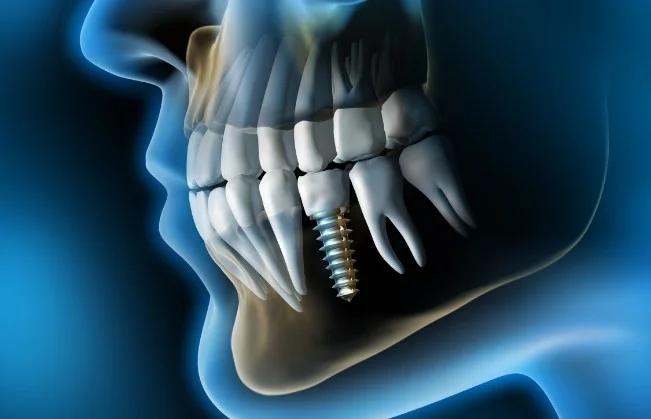
Dental implants are artificial tooth roots that are surgically placed into the jawbone. Once integrated with the bone through a process known as osseointegration, they provide a strong foundation for crowns, bridges, or dentures.

One of the biggest advantages of implants is their durability. Unlike traditional restorations that may require replacement every few years, implants can often last decades or even a lifetime when properly maintained. However, their success depends not only on the implant itself but also on the health of the surrounding gums and bone.

Many patients mistakenly believe that because implants cannot develop cavities, they require less care than natural teeth. In reality, the tissues around implants are still vulnerable to infection and inflammation, making regular maintenance extremely important.

Why Proper Implant Maintenance Matters

Dental implants rely on healthy gum tissue and strong bone support. If plaque and bacteria accumulate around the implant, they can trigger inflammation that affects these supporting structures.

The earliest stage of implant-related gum inflammation is called peri-implant mucositis. If not treated, it can progress into peri-implantitis, a condition that causes bone loss around the implant. Over time, this can compromise implant stability and increase the risk of failure.

Fortunately, these conditions are largely preventable through good oral hygiene and routine professional care. Establishing a consistent maintenance routine can dramatically increase the lifespan of dental implants.

Creating an Effective Daily Cleaning Routine

Daily cleaning is the foundation of long-term implant success. Brushing should be performed at least twice a day using a soft-bristled toothbrush. Soft bristles effectively remove plaque without irritating the delicate gum tissue surrounding the implant.

When brushing, it is important to pay special attention to the area where the implant crown meets the gums. This is often where bacteria accumulate and where inflammation first develops. Gentle circular motions are typically more effective than aggressive scrubbing.

Using a non-abrasive toothpaste can also help protect the surface of implant restorations. Abrasive products may create microscopic scratches that make it easier for plaque to attach and accumulate.

Consistency is more important than intensity. Thorough and gentle cleaning every day is the best way to keep implants healthy.

The Essential Role of Flossing

Brushing alone cannot clean every surface of the mouth. Food particles and plaque can become trapped between teeth and around implant restorations, making flossing an essential part of implant care.

Flossing once daily helps remove debris from areas that toothbrush bristles cannot reach. Patients with implants often benefit from implant-specific floss or floss threaders designed to clean around restorations more effectively.

Maintaining this habit helps prevent bacterial buildup and protects the gum tissue supporting the implant. Over time, regular flossing significantly reduces the risk of inflammation and infection.

Benefits of Using Water Flossers

Many implant patients find water flossers to be a valuable addition to their oral hygiene routine. These devices use a focused stream of water to remove food particles and bacteria from difficult-to-reach areas.

Water flossers are particularly useful for patients with multiple implants, implant-supported bridges, or limited dexterity. They can help improve gum health and provide an extra level of cleanliness that complements traditional brushing and flossing.

While water flossers are highly effective, they work best when used as part of a complete oral hygiene routine rather than as a replacement for brushing.

Choosing the Right Oral Care Products

The products used for implant care can influence long-term results. Soft-bristled toothbrushes, low-abrasion toothpaste, and gentle cleaning aids are generally recommended.

Electric toothbrushes can also be beneficial because they provide consistent cleaning and often remove plaque more effectively than manual brushes. However, they should be used according to the manufacturer’s recommendations and with gentle pressure.

Antibacterial mouth rinses may help reduce bacterial levels in the mouth, particularly for patients who are prone to gum inflammation. Choosing products that support gum health can contribute significantly to implant longevity.

Professional Cleanings Are Critical

Even the most thorough home care routine cannot remove hardened tartar deposits. Professional dental cleanings are essential for maintaining implant health and preventing complications.

During maintenance visits, dental professionals use specialized instruments designed specifically for cleaning implants. These tools allow for effective plaque and tartar removal without damaging the implant surface.

Routine examinations also provide an opportunity to evaluate gum health, monitor bone support, and assess implant stability. Detecting issues early makes treatment easier and more effective. Understanding the proper care and long-term maintenance of dental implants is essential for protecting your investment and ensuring lasting oral health

Protecting Gum Health Around Implants

Healthy gums are crucial for implant success. The gum tissue surrounding the implant acts as a barrier that helps prevent bacteria from reaching deeper structures.

Patients should monitor their gums for signs of trouble, including redness, swelling, tenderness, or bleeding during brushing and flossing. Persistent bad breath or discomfort around an implant may also indicate a developing problem.

Prompt attention to these symptoms can prevent minor inflammation from progressing into more serious conditions. Maintaining excellent oral hygiene and attending regular dental visits are the most effective ways to protect gum health.

The Connection Between Diet and Implant Longevity

Nutrition plays a significant role in supporting oral health and implant stability. A balanced diet provides the nutrients necessary for healthy gums and strong bones.

Calcium-rich foods help maintain bone density, while vitamin D supports calcium absorption. Protein contributes to tissue repair and overall healing. Consuming a variety of nutrient-dense foods supports the structures that keep implants secure.

Limiting sugary snacks and beverages can also reduce plaque accumulation and help maintain healthier gums. Although implants cannot develop cavities, excessive sugar consumption can still contribute to gum disease and inflammation.

Habits That Can Shorten Implant Lifespan

Certain habits can negatively affect implant health and increase the risk of complications. Smoking is one of the most significant risk factors because it restricts blood flow to the gums and interferes with healing.

Teeth grinding and clenching can also place excessive stress on implants. Because implants do not have the natural shock-absorbing ligament found around natural teeth, repeated pressure can create problems over time.

Patients who grind their teeth may benefit from wearing a custom night guard to protect both natural teeth and implants. Avoiding habits such as chewing ice, biting hard objects, or using teeth as tools can further reduce the risk of damage.

Long-Term Monitoring and Preventive Care

Dental implants require ongoing monitoring to ensure their continued success. Regular examinations allow dentists to assess gum health, implant stability, and bite alignment.

Preventive care focuses on identifying and addressing small issues before they become major problems. Patients who remain committed to routine maintenance appointments often experience better outcomes and longer-lasting results.

Professional guidance also helps patients stay informed about best practices for implant care and maintenance as their oral health needs evolve over time.

Knowing When to Seek Professional Help

Even with excellent oral hygiene, unexpected issues can occasionally arise. Patients should seek professional evaluation if they experience persistent swelling, bleeding, discomfort, loosening of the implant restoration, or changes in how their bite feels.

Ignoring these symptoms can allow problems to worsen. Early diagnosis and treatment are often the key to preserving implant health and preventing more extensive interventions.

If you have questions about implant maintenance or need personalized guidance, you can schedule an appointment.

Conclusion

Dental implants are an exceptional solution for replacing missing teeth and restoring confidence. Their long-term success, however, depends on consistent care and attention. Daily brushing, flossing, healthy lifestyle choices, and routine professional maintenance all play important roles in protecting implants and supporting the surrounding gums and bone.

By following a comprehensive oral hygiene routine and seeking professional care when needed, patients can enjoy the benefits of their implants for decades. With proper maintenance, dental implants can truly become a lifetime solution for a healthy, functional, and beautiful smile.

FAQs

1. How often should I clean my dental implants?

You should brush your dental implants at least twice a day and floss once daily to remove plaque and maintain healthy gums.

2. Can dental implants get cavities?

No, dental implants cannot develop cavities. However, the gums and bone around them can become infected if proper oral hygiene is not maintained.

3. How long do dental implants last?

With proper care, regular dental checkups, and good oral hygiene habits, dental implants can last for decades and often a lifetime.

4. Is a water flosser good for dental implants?

Yes, a water flosser can help remove food particles and plaque around implants, making it a useful addition to your daily oral hygiene routine.

5. When should I contact my dentist about my dental implant?

You should contact your dentist if you notice bleeding gums, swelling, pain, persistent bad breath, or any looseness around the implant area.

Teeth Whitening vs. Veneers: Which Is Right for Your Smile?

May 22, 2026

Filed under: Blogs — precisiondental @ 6:42 am

Many teens and young adults today want brighter and more confident smiles. Teeth Whitening vs. Veneers is a common comparison when considering cosmetic treatment options. A cosmetic dentist federal way may suggest different treatment options based on the condition of the teeth and the patient’s goals. Some individuals are interested in removing stains through whitening treatments, while others want to improve the shape, alignment, or overall appearance of their teeth. For younger patients exploring cosmetic dental care for the first time, deciding between whitening and veneers can sometimes feel overwhelming. A cosmetic dentist federal way can explain how each option works and what type of results patients may expect over time.

Smile appearance can influence confidence during school, work, social events, and everyday interactions. Cosmetic dentistry focuses on enhancing the appearance of teeth while also supporting long term oral health. Understanding the differences between whitening treatments and veneers can help patients make more informed decisions about their dental care options.

(more…)

How to Prepare Your Child for Their First Dental Visit

May 20, 2026

Filed under: Blogs — precisiondental @ 6:34 am

A First Dental Visit can feel unfamiliar for both parents and children. Many families searching for a pediatric dentist federal way want an experience that feels calm, comfortable, and reassuring. Finding a provider who focuses on gentle care and understands childhood dental anxiety can help children feel more relaxed during their first visit. Parents also value clinics that can provide support for urgent dental care and emergency concerns when needed.

Early dental visits play an important role in building healthy oral habits and helping children become comfortable with routine checkups. Positive experiences during childhood may reduce dental anxiety later in life and encourage long term oral health care.

Families interested in learning more about dental visits, patient forms, and appointment preparation can explore patient resources and dental visit information available through Precision Dental Care.

(more…)

Does Gum Disease Go Away After Removing Teeth?

January 2, 2026

Filed under: Blogs — precisiondental @ 5:32 pm
Forceps holding extracted tooth.

Gum disease is a common oral health condition, and many people wonder whether removing teeth will eliminate the problem altogether. While tooth removal may seem like a solution—especially when gum disease is advanced—the truth is more complex. Gum disease does not automatically go away when teeth are removed, and understanding why is key to protecting your long-term oral health.

(more…)

Talking It Out: How SureSmile Can Impact Your Speech

November 5, 2025

Filed under: Blogs — precisiondental @ 12:36 am
Woman smiling while putting in her SureSmile

Many people are choosing to get SureSmile to get healthier bites. This treatment uses clear aligners that you’ll wear every day to slowly shift your teeth into desired positions. As reliable as they are, many people aren’t aware of how they can affect your speech just a bit! It’s not a dramatic difference, but this temporary change can catch you off guard. Here’s what to expect and what you can do about it.

(more…)

I’ve Had Braces Before; Can I Get SureSmile?

September 3, 2025

Filed under: Blogs — precisiondental @ 10:35 pm
Lady shows off her clear aligners

SureSmile is a modern alternative to traditional braces that realigns teeth using removable and virtually invisible clear aligners, and it can be an excellent way to address many mild to moderate dental misalignments. While many people wear braces in adolescence to address their alignment issues, some of them find that their teeth drift out of place in the decades after their initial orthodontic treatment is over. Here’s a quick look at how SureSmile can re-straighten the smile of a person who has previously worn braces.

(more…)

Timeless Teeth: Is There an Age Limit for Dental Implants?

July 10, 2025

Filed under: Blogs — precisiondental @ 4:49 pm
Older patient smiling with dental implants

If you’re missing teeth and wondering whether dental implants are off the table due to your age, rest easy. You’re not too old. In fact, older adults are some of the best candidates for dental implants! More people in their 40s, 50s, and even their 80s are turning to implants more than ever to restore comfort, confidence, and a better quality of life. Continue reading to learn what really matters when it comes to implant eligibility.

(more…)

Dental Implants: How Long Can You Expect Them to Last?

May 7, 2025

Filed under: Blogs — precisiondental @ 2:31 pm
Female dentist pointing to model of dental implant

Getting dental implants to replace your missing teeth is a process that involves a significant amount of time and money. Naturally, this means you’ll want to maintain the results for as long as possible. Of course, that raises the obvious question: Just how long can you expect your new smile to last? And is there anything you can do to help it last longer? Here’s a brief overview of what you need to know about the lifespan of dental implants.

(more…)

A Cosmetic Question: Can I Still Get Cavities with Veneers?

March 4, 2025

Filed under: Blogs — precisiondental @ 3:32 pm
A closeup of a veneer placed on a dental tool

It’s certainly true that veneers protect the teeth they’re placed on. These porcelain shells are sturdy, so they keep a lot of bacteria and debris at bay. Even so, you may wonder: Could you still get cavities with veneers? The question is very relevant, so your Federal Way dentist is here to provide an answer. That said, here’s a primer on whether veneered teeth can get cavities and how to look after your own veneers and teeth.

(more…)
Older Posts »